Pump Maintenance and Repair: A Practical 2026 Guide
Keep pumps running longer and avoid costly breakdowns with a clear maintenance schedule, warning signs, and repair-or-replace rules.
 Priya Nair
November 13, 2026
Updated November 13, 2026
4 min read
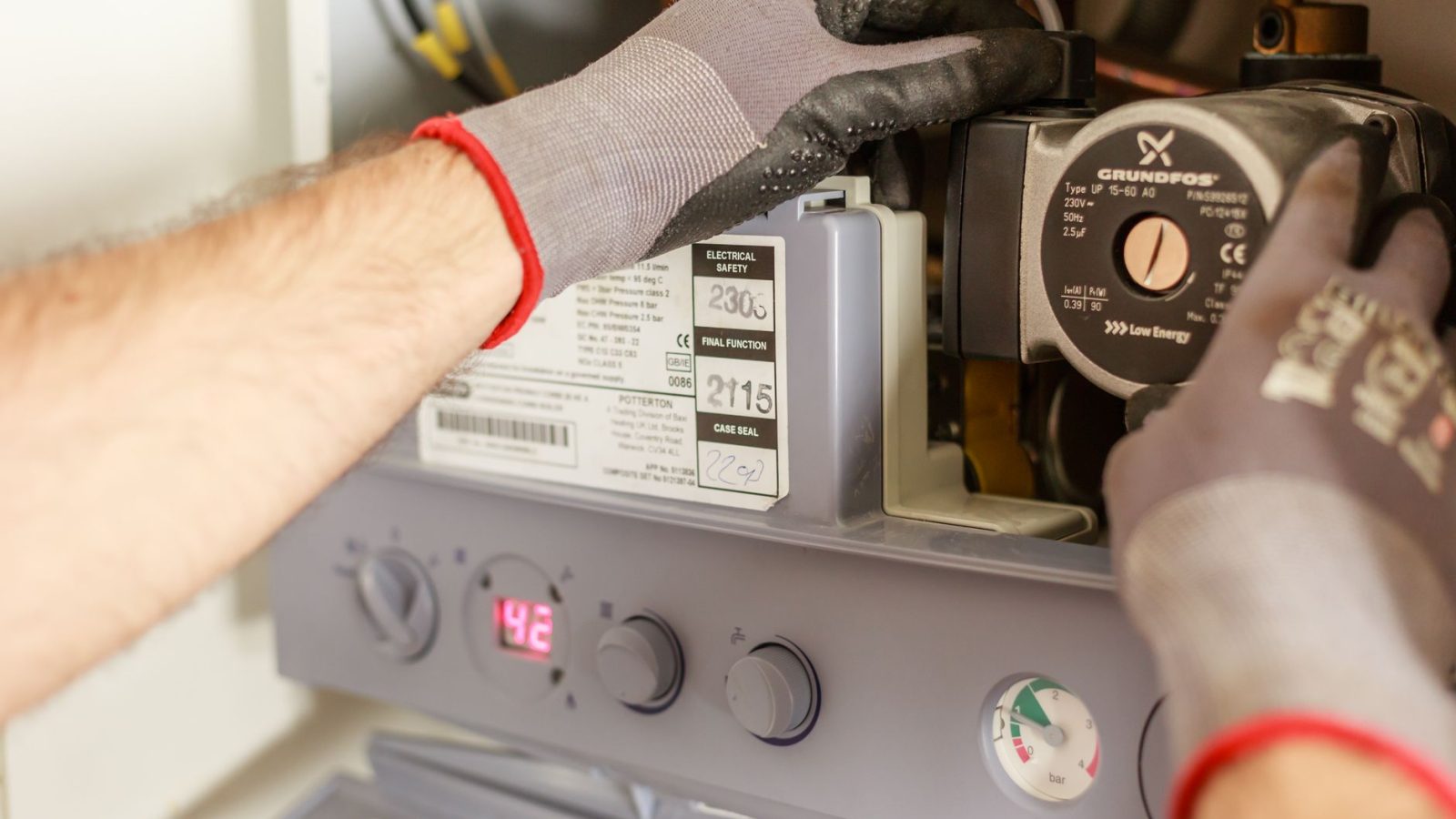
If a pump at your facility is leaking, vibrating, or losing pressure, the fastest way to decide what to do next is to check three things first: age, noise pattern, and repair cost against replacement price. Below is a practical breakdown of what keeps pumps running, the warning signs that predict failure weeks in advance, and when repair stops making financial sense.
Why preventive maintenance beats emergency repair
According to guidance compiled by BioContractors, effective mechanical maintenance on pumping equipment is about prevention rather than cure: consistent lubrication and seal management protect against leaks and avoidable damage, and scheduling preventive checks instead of waiting for a breakdown is the core principle. Daily inspections should look for vibration, unusual noise, visible leakage, and abnormal motor temperature, with small issues corrected immediately rather than left to grow. Weekly checks should cover flow rates, shaft alignment, and bearing temperature.
For pumps handling abrasive or heavy-duty flows, rotors and stators need regular wear monitoring and should be replaced according to manufacturer intervals, while bearings and seals require consistent lubrication to avoid premature wear.
The warning signs that predict a failure
Centrifugal pump specialists cited by Castle Pumps and SEPCO point to a specific set of symptoms that show up well before a pump actually stops working:
Monitoring these signals with basic tools, or with sensor-based predictive maintenance now used in larger plants, lets a maintenance team schedule a repair on their own terms instead of reacting to a sudden outage.
Repair or replace: the 50% rule
Once a pump shows a real problem, the next question is financial. A widely used benchmark reported by Amed and several plumbing and well-service guides is the 50% rule: if the cost of repairing a pump exceeds about half the price of a new equivalent unit, replacement is usually the more economical choice. The same sources add useful nuance:
Typical repair costs vary widely by category: residential sump pump repairs commonly run from $300 to $755 depending on the failed part, while pool pump rebuilds fall in the $300 to $600 range against $1,000 to $1,800 for a full replacement. Industrial centrifugal or progressive cavity units follow the same logic at a larger scale, with overhauls covering seal and stator replacement, pressure testing, and performance checks to confirm the pump can hold its rated output again.
Building a maintenance log that actually gets used
A maintenance schedule only works if someone keeps it. Many facility and service businesses now track inspection dates, bearing temperatures, and repair history in a simple digital log rather than paper sheets, because it’s easier to spot a trend (a bearing creeping up in temperature month over month, for example) than to catch it from memory. If your maintenance or repair business is still running on paper logs and doesn’t yet have a proper site to publish service schedules, pricing, or client documentation, the groundwork matters more than the design: a piece on the technical fundamentals to settle before hiring an agency walks through what to lock down first. For teams estimating what that kind of project actually costs, a separate breakdown of what really makes a WordPress site’s invoice vary is worth reading before signing any quote.
A simple routine worth adopting
Combining the sources above into a workable routine: inspect daily for leaks, noise, and temperature; check alignment, bearings, and flow weekly or monthly; log every reading so trends are visible; and use the 50% rule as a tiebreaker whenever a repair quote lands on the desk. Pumps that get this level of attention tend to run for their full rated lifespan, while the ones that only get touched after they fail are the ones that end up replaced early and at the highest cost.
Priya Nair
Priya covers hosting, performance, security and backups. She reads changelogs and pricing pages so readers don't have to, and flags what changed since the last update.
Updated on November 13, 2026