Dyson vs Roborock Robot Vacuum: Which Should You Buy?
Dyson or Roborock for your robot vacuum? Here's what the 2026 specs, suction power and real tests actually show.
 Priya Nair
November 16, 2026
Updated November 16, 2026
4 min read
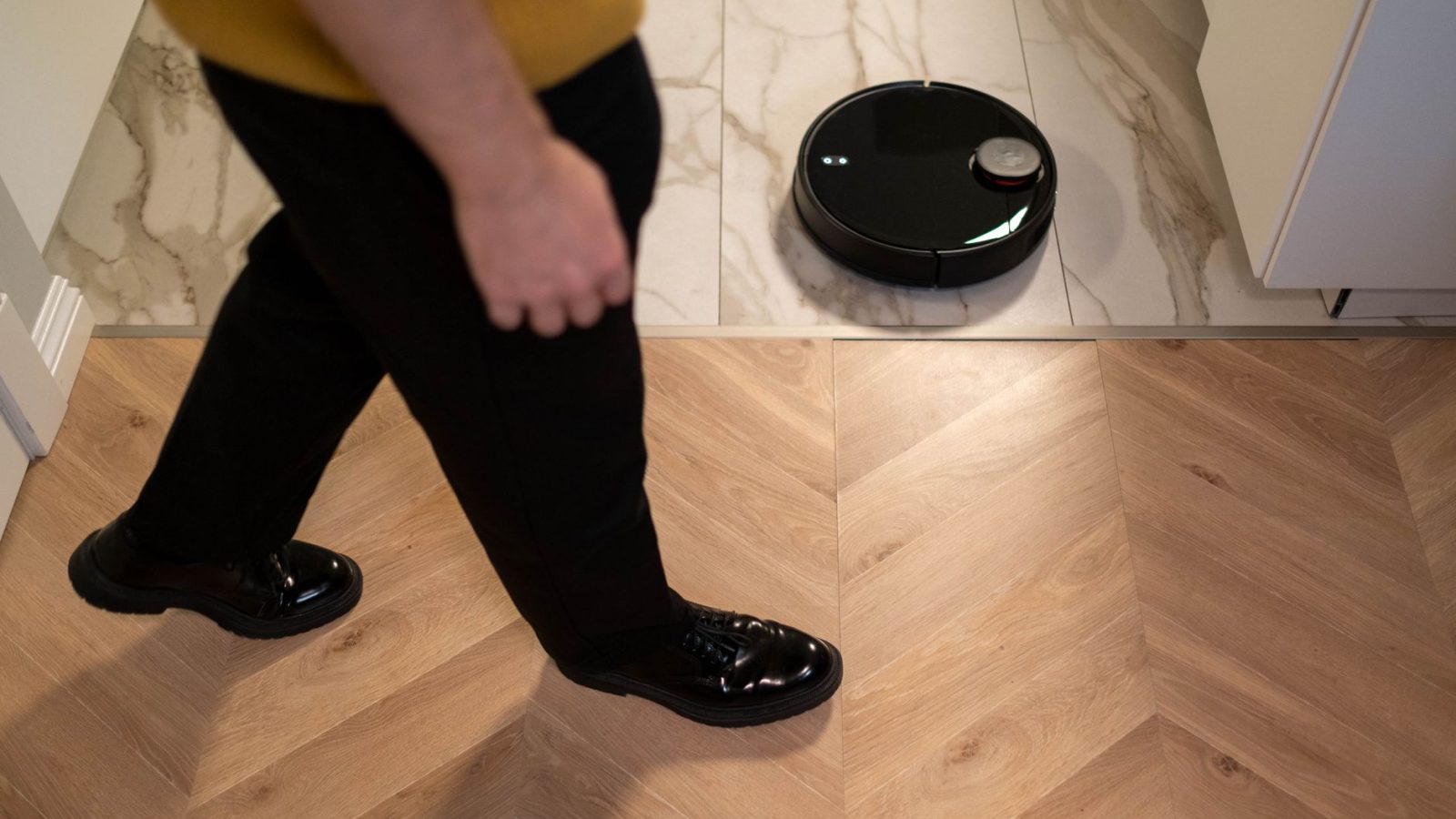
If you’re choosing between a Dyson and a Roborock robot vacuum in 2026, the short answer is that Roborock wins for most households, while Dyson only makes sense if you specifically want the strongest raw suction and don’t mind a shorter runtime and a more basic app. The two brands approach the same problem — autonomous floor cleaning — from very different angles, and the gap between them is bigger than the spec sheets suggest.
How the two brands compare on paper
Dyson’s flagship robot, the 360 Vis Nav, launched at around $1,199 and now retails near $999.99, though it has been seen on sale for as low as $293-$400 according to pricing trackers. It runs on a Hyperdymium motor rated at 22,000Pa of suction pressure and 65AW, which Dyson says is roughly twice the suction of other robot vacuums on the market. It uses a 360° vision navigation system backed by 26 sensors, maps rooms, and fits under furniture with about 4 inches of clearance. Battery life is its weak point: a single charge lasts up to 65 minutes, and a full recharge takes nearly two hours.

Roborock’s comparable flagships, such as the S8 MaxV Ultra and the Qrevo Pro line, trade a bit of peak suction for a much more complete package: self-emptying docks, hot-water mopping at up to 60°C with a self-cleaning roller, and run times closer to three hours per charge according to comparison testing from RTINGS. Roborock also iterates faster, releasing new flagship models more frequently than Dyson.
What independent testing actually found
According to a 2026 brand comparison from The Ambient, Roborock “wins this comparison for most buyers, delivering more consistent navigation, a more capable app, and better mopping across a wider range of home layouts, all while iterating faster on new hardware than Dyson currently does.”
“Roborock wins this comparison for most buyers, delivering more consistent navigation, a more capable app, and better mopping across a wider range of home layouts.”
The same comparison notes that Roborock’s flagship models use a low-profile chassis that fits under furniture the bulkier Dyson simply can’t reach, and that the Dyson’s dock only charges the robot, while Roborock’s dock empties the dustbin automatically — a meaningful convenience difference for daily use.
On raw cleaning power, testers found Dyson competitive but not necessarily superior: with 18,000 Pa in practice, it’s not quite as powerful as the similarly priced Roborock Qrevo Curv 2 Pro, though reviewers noted the Dyson “cleaned impressively well, handling everything from crumbs to long strands of hair without issue.” The bigger practical complaint is the 360 Vis Nav’s status as a vacuum-only robot with a 65-minute battery, in a market where $600 competitors vacuum, mop, and run for up to three hours per charge.
Software and daily use matter more than suction numbers
Suction figures make for an easy headline, but day-to-day satisfaction tends to come down to the app and the dock. Reviewers describe the MyDyson app as “frustratingly basic” compared with Roborock Home or Dreame’s app, both of which offer more granular room mapping, no-go zones, cleaning history and mop-maintenance scheduling. If you already run other smart-home automations, a more capable companion app saves real time over a year of use, not just at setup.
Mopping is the other major fork in the decision. Dyson’s Spot+Scrub Ai system uses hot water at 60°C with a self-cleaning roller, which several testers consider more hygienic than pad-based competitors — but it still faces strong competition from Roborock’s own hot-water and auto-washing dock systems, which are now standard on mid-range and flagship Roborock models alike.
Which one should you actually buy?
For a typical home with multiple rooms, pets, or hard floors that need regular mopping, the practical answer favors Roborock: longer runtime, self-emptying docks, and a more mature app ecosystem mean less manual intervention week to week. Dyson remains worth a look mainly for buyers prioritizing peak suction on carpets and who are comfortable manually emptying the bin and tolerating a shorter cycle before recharge.
Price should factor in too. Roborock’s comparable flagships tend to be more budget-friendly for similar navigation and cleaning efficiency, according to the brand comparison cited above, while Dyson positions itself as the premium, suction-first option. If you’re assembling a broader smart-home or automated-cleaning setup and want your devices talking to useful data dashboards, it’s worth reading how AI tools are now used to turn household and business data into decisions — the same logic that pushes robot vacuum makers to add more sensors applies across connected devices. And if you’re building or hosting a site to track reviews, specs or deals like this one, the fundamentals covered in this guide to WordPress technical foundations apply just as much to a niche comparison blog as to any other content site.
Whichever brand you lean toward, check current battery life, dock features and app reviews before buying — robot vacuum lineups change fast, and the model winning comparisons this month may be superseded within a year.
Priya Nair
Priya covers hosting, performance, security and backups. She reads changelogs and pricing pages so readers don't have to, and flags what changed since the last update.
Updated on November 16, 2026